




































Skip to content
Feb 12, 2026

Trust & Traffic Quality

The success of digital advertising campaigns and the effectiveness of marketing spend depend heavily on trust and traffic quality.

Illustration for the article “Trust & Traffic Quality”

Why trust matters in advertising

Trust is one of the cornerstones of high-performing advertising. Without it, advertisers risk wasting budgets on low-quality or fraudulent traffic, which can lead to poor performance and unreliable results.

With high traffic quality, campaigns reach real, relevant audiences, which increases engagement and conversions. It not only protects marketing budgets but also builds credibility with audiences and supports data-driven decisions for future campaigns.

Trust in advertising
Audience relevance

To build long-term confidence in digital marketing efforts, it is essential to understand how to identify and verify traffic sources.

Defining traffic quality

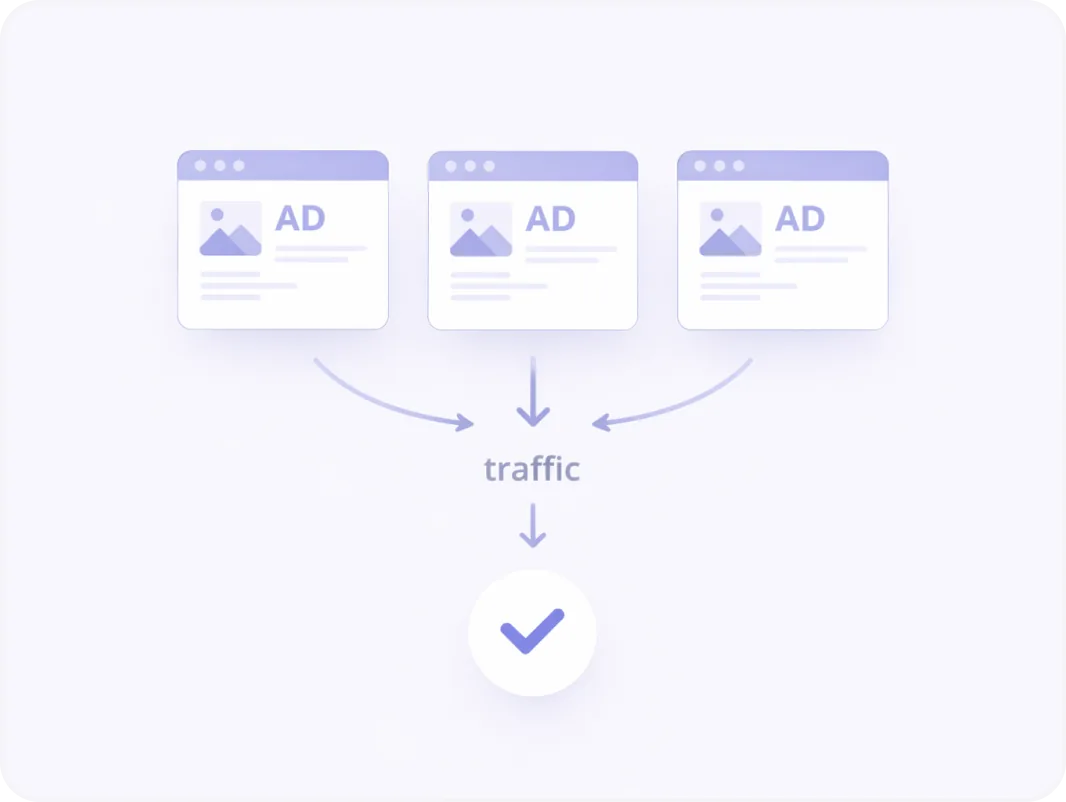
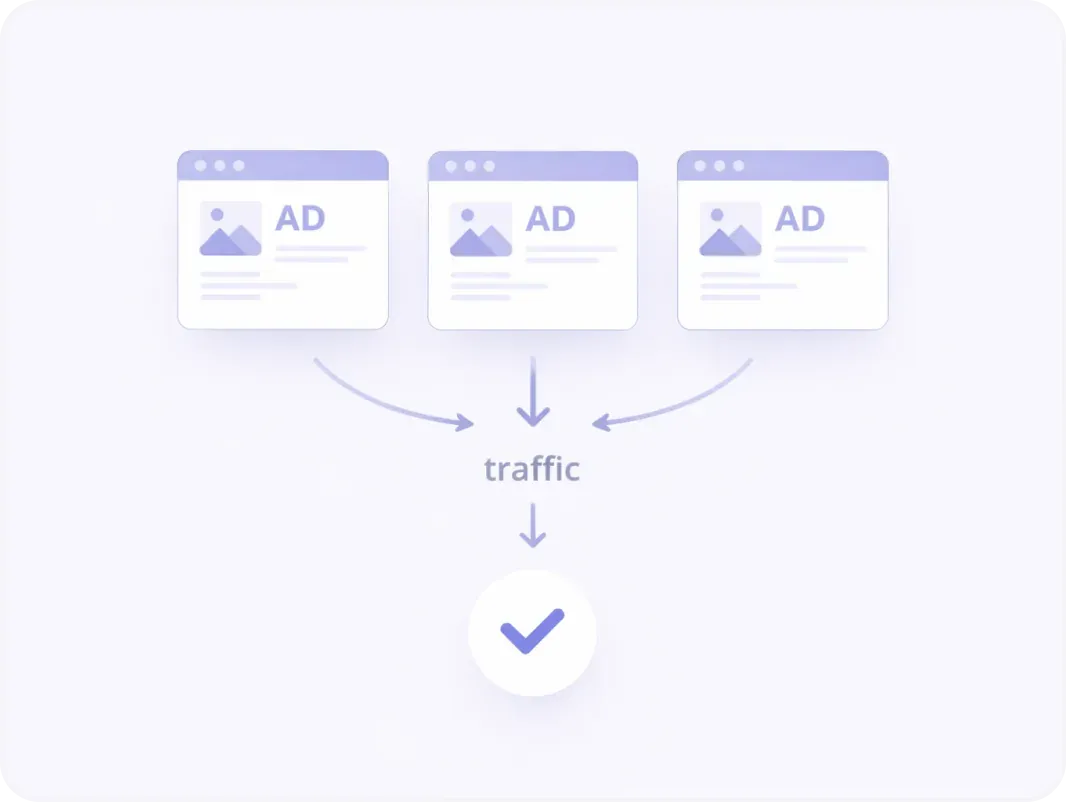
The term “traffic” refers to users who visit a website, app, or landing page after interacting with an advertisement.

Traffic quality describes how valuable these visitors are for campaign goals. High-quality traffic comes from real, interested users, so the likelihood of engagement and conversions is higher. Low-quality traffic, by contrast, may include bots, accidental clicks, or irrelevant visitors.

How traffic quality is verified

Traffic quality is verified through technological monitoring, analytics, and transparency practices. Modern advertising platforms rely on multiple layers of validation to detect suspicious activity and analyze engagement patterns. Below, the most common verification methods are outlined:

  • Bot detection systems analyze behavioral patterns to identify and filter out non-human traffic generated by automated programs.
  • Third-party verification tools independently audit impressions and clicks to confirm that ads are served to real users.
  • Engagement metrics monitoring reviews indicators such as bounce rate, time on page, and interaction depth to assess whether users behave like genuine visitors.
  • Traffic source analysis evaluates where visitors originate to detect suspicious referral networks or low-credibility domains.
  • IP and device validation checks for unusual patterns in IP addresses, device types, or geographic locations that may signal fraudulent activity.
  • Fraud detection algorithms continuously scan campaign data to flag abnormal spikes in clicks or impressions that may indicate manipulation.

When applied together, these techniques provide a clearer picture of traffic authenticity and overall campaign credibility.

Common trust concerns in advertising

Apart from traffic quality, marketers often worry about transparency in how their campaigns are delivered and reported. Limited visibility into performance metrics or inconsistent reporting can make it difficult to evaluate whether budgets are being spent efficiently.

Another common concern includes brand safety and placement control. Advertisers need assurance that their ads appear in appropriate environments and alongside trustworthy content, as unsuitable placements can damage brand reputation and weaken campaign effectiveness.

Transparency in reporting
Brand safety

Best practices to ensure quality

Practice #1

Choosing verified platforms

Advertising networks with third-party verification and built-in fraud detection tend to deliver more reliable results. These platforms usually provide greater transparency, accurate metrics, and higher-quality audience engagement.

Choosing verified platforms

Practice #2

Monitoring campaign metrics regularly

Campaign performance can reveal hidden issues when metrics are closely observed. Tracking impressions, click-through rates, conversions, and engagement patterns helps identify anomalies and optimize outcomes.

Monitoring campaign metrics regularly

Practice #3

Auditing traffic sources

The origin of traffic often indicates its quality. Referral sources provide insight into traffic quality and help confirm that visitors come from legitimate sites, reducing exposure to fraudulent or irrelevant traffic.

Auditing traffic sources

Practice #4

Brand safety control

Ad placement affects both performance and reputation, so it is essential to carefully monitor where ads appear. Campaigns that appear in safe and relevant environments build audience trust while protecting brand reputation.

Brand safety control

Practice #5

Testing before scaling

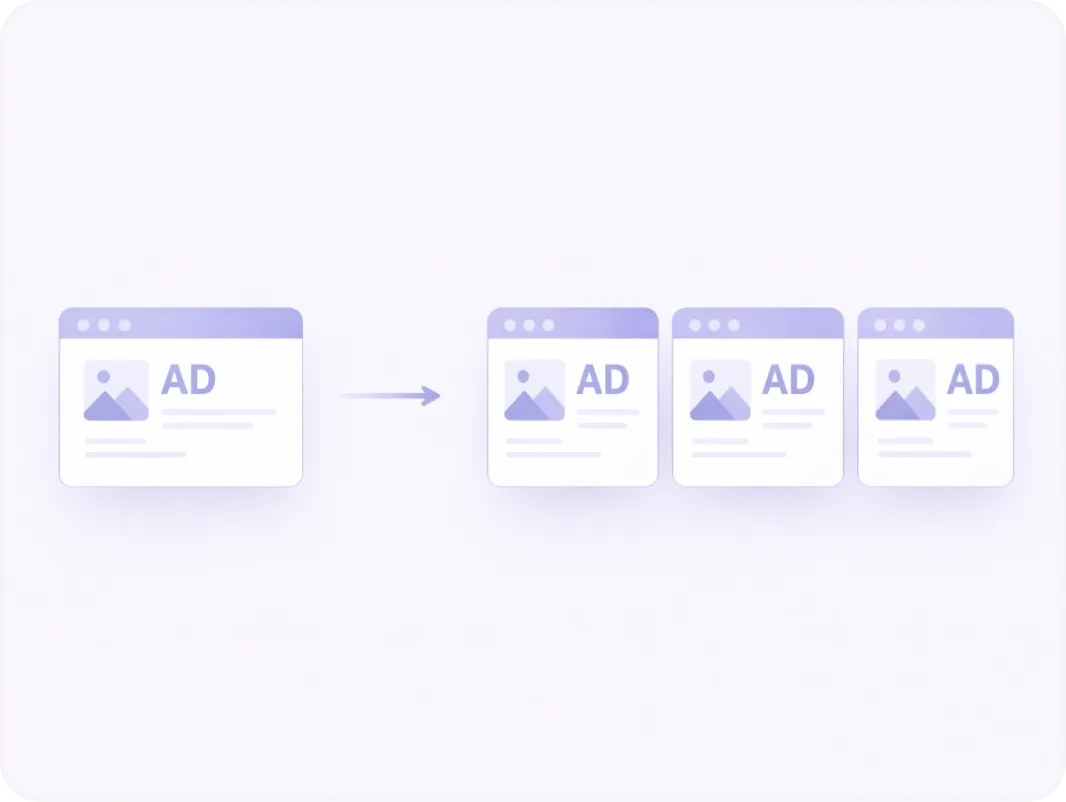
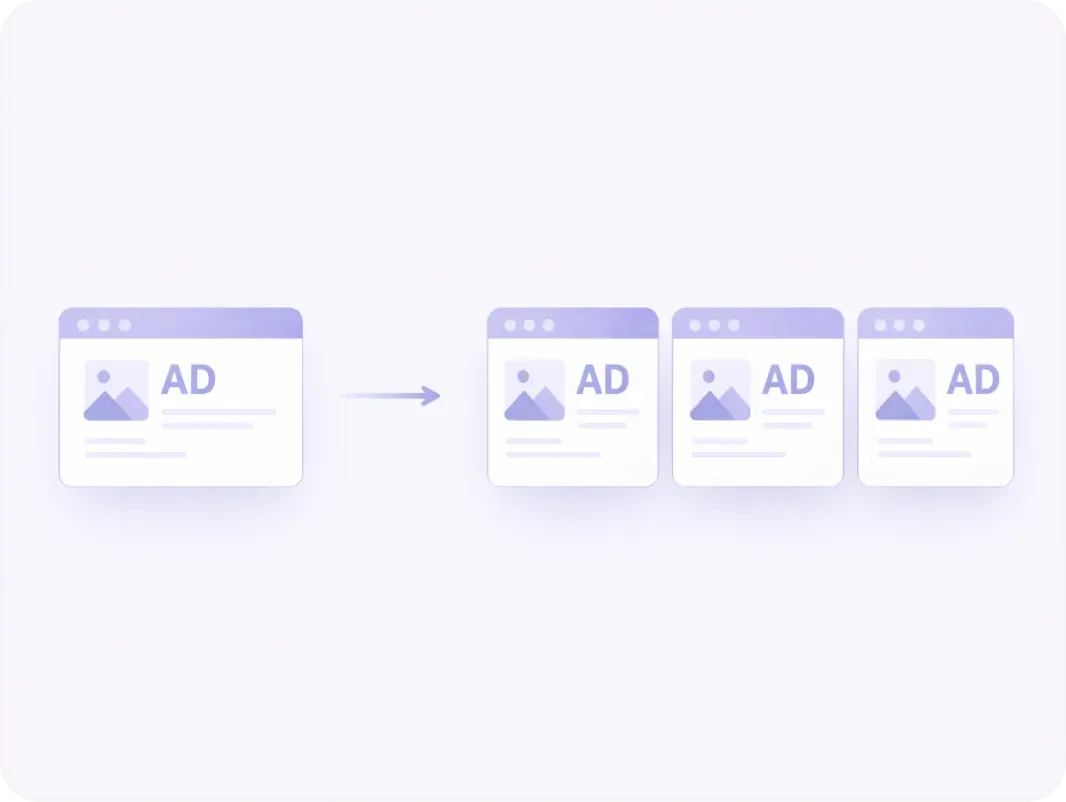
Small-scale campaigns provide important findings about audience behavior and traffic quality. Testing first allows for adjustments before larger investments.

Testing before scaling

In short

Summary

Trust and traffic quality are core determinants of campaign effectiveness. By verifying traffic sources and ensuring audience relevance, advertisers can protect marketing budgets and strengthen brand trustworthiness.